Back in December, the school loaded all 120 of us on buses for The M2 Wine Tour of classified growths and a cooperage in the Medoc. While there were a few frustrations that day overall I was generally impressed. A week ago, we again loaded on buses and headed out for a wine tour of classified growths in Pessac-Leognan. And sadly the day was a disappointing disaster.
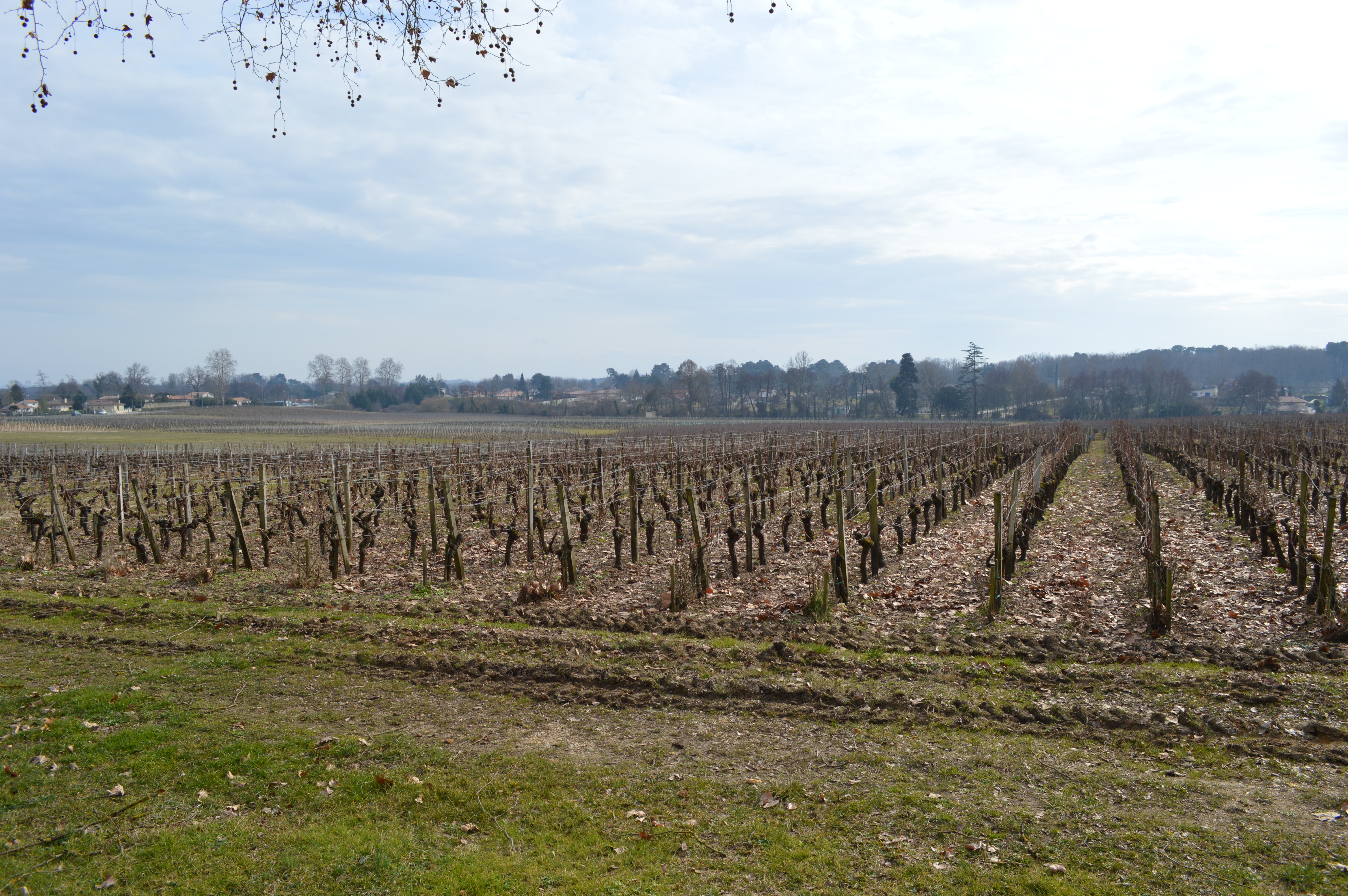
Pessac Leognan Vineyards
First, let’s chat a little bit about Pessac itself and why it is unique in Bordeaux. Home to Chateau Haut Brion, the only First Growth outside the Medoc from the 1855 Classification, Pessac-Leognan is carved out of the greater Graves region. Perched on the outskirts of the Bordeaux city center with current city sprawl Pessac is all but another quarter of the city. With sandy gravel soils, Pessac benefits from the excellent drainage required for the growth of high quality Cabernet. But this region is also uniquely poised to produce high quality white wines made from the classic Bordeaux white grapes of Sauvignon Blanc and Semillon, with Sauvignon Blanc dominating the blend. And over time, Pessac-Leognan has become renowned for its ability to produce long-lived white wines.
Now, here comes my big confession: overall, I am not a huge fan of Pessac-Leognan wines. Sauvignon Blanc is not my favorite white grape and the herbaceous and slightly funk character is present here. The reds are drinkable but, in my personal opinion, lack the rich and complex fruit found in the Medoc and Saint Emilion. (Clearly I am turning into more and more of a Bordeaux wine snob. I have distinct preferences for specific appellations and even estates.)
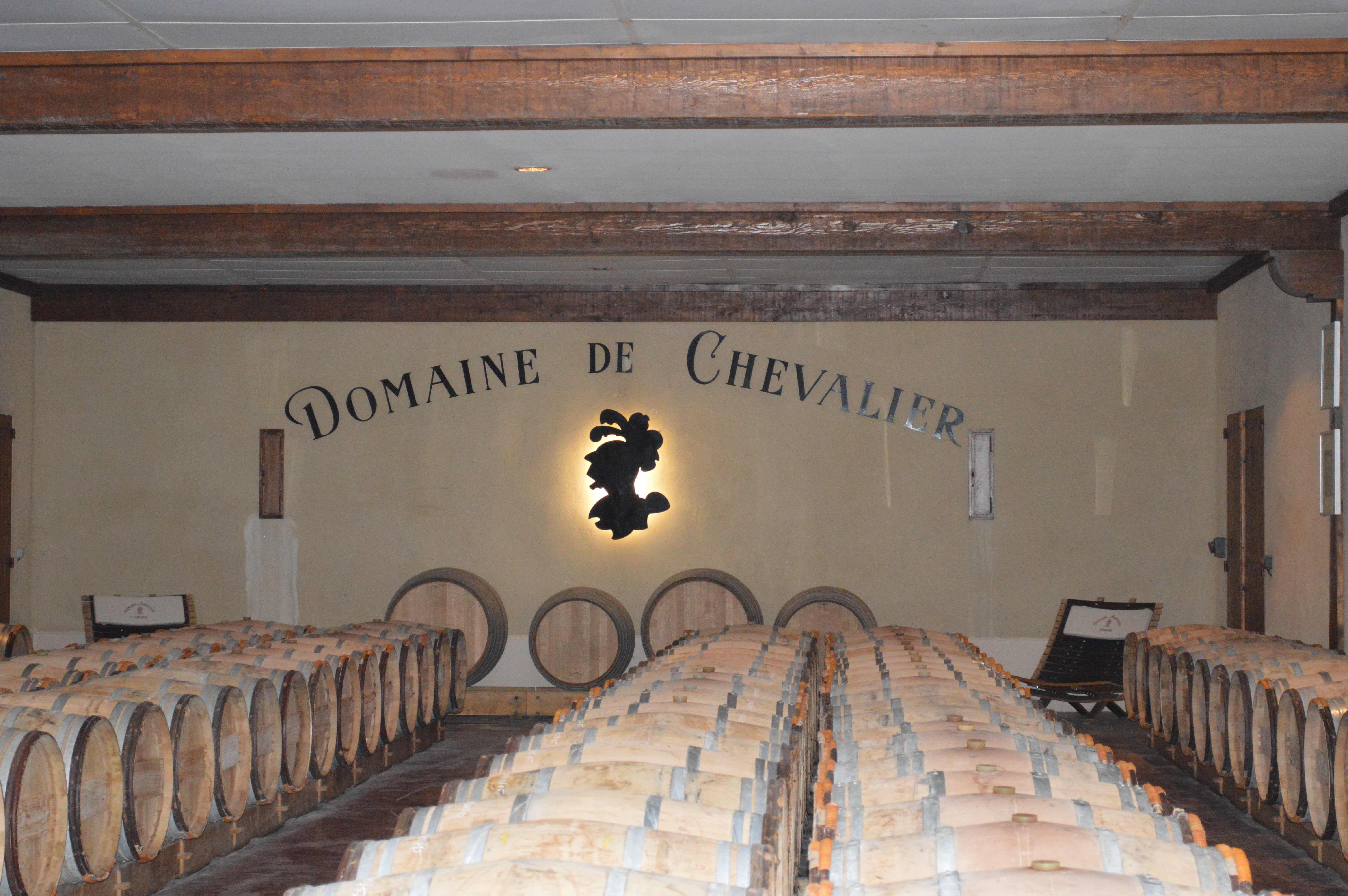 Once again, the class was divided into two cohorts with two different agendas for the day. Luckily, my group was slated to visit Domaine de la Chevalier, a property owned by the current Union des Grands Crus President, Olivier Bernard. We departed Bordeaux, roughly on schedule, and arrived at the estate shortly after 10 am. Only to be informed that despite the cold drizzle that was falling we were about 40 minutes early for our 11 am appointment and we would have to wait outside. Umm..ok. So we waited (I stayed on the bus and took a little nap) and eventually we were summoned for our tour. Despite the promise of an English language tour, our guide was uncomfortable speaking in English and began the tour in French. Again, not a problem for me but annoying for those international students who don’t speak French and had never been to the estate. Eventually our guide switched to English and we endured a freezing cold tour through the cellars.
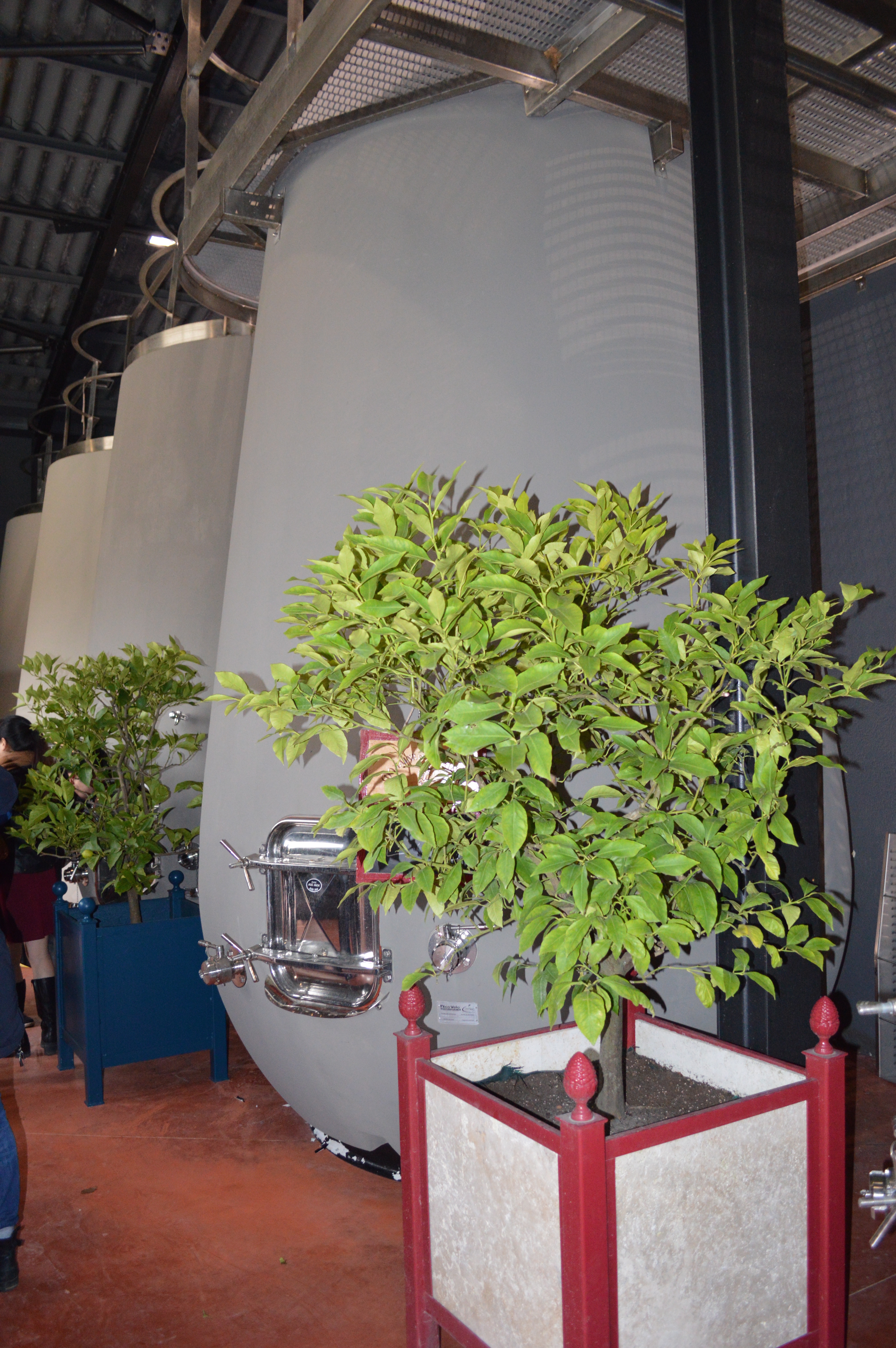
Cement Vats at D. de Chevalier
Domaine de Chevalier is unique in Bordeaux for several reasons. The first being is that it is also a home. Despite his highly respected position in the Bordeaux Wine Industry, Olivier Bernard and his wife make their home on the estate, next to the cellar. (Side not, we were not deemed important enough to warrant a visit from the Bernard family, despite the fact that we will one day be the ones responsible for selling their wine around the world.) The estate is also one of the leading white wine producers in Bordeaux. But they remain equally as respected for their quality red wines. In addition, all of the estate’s vines are planted along the same axis for ideal sun exposure. The land is carefully worked and harvest is done by hand, with a triage and multiple passes in the white plots. The white wines are completely fermented and aged in oak, with the use of the unique ‘egg’ included, and are overseen by the young cellar master (aged 28).
But the largest point of contention during our visit was the tasting…or more accurately the lack there of. The estate had kindly agreed to play host for lunch for all 100+ students. We were treated to a beautiful, if cold, buffet of salads, charcuterie, cold cuts and dessert. (My biggest complaint – the lack of coffee at the end of the meal. I was still cold and could have used a touch of something warm.) But because the other group would be joining us, our group was not treated to a guided tasting. Rather the estate had asked neighboring Pessac producers to donate bottles for lunch (a total of 2 bottles each of 12 different wines – so take a moment to do some math 2 bottles divided by 100 people = a problem). We were told that the operational manager would then be leading us through a tasting of the Domaine de Chevalier red wine. Instead we were told, there are 12 bottles on the buffet, make sure you are considerate and share with others. (The success of this venture can be determined by the success of the sharing at our previous wine tour. See the M2 Wine tour link above.) Needless to say, I didn’t get any of the wine and have no tasting notes to share.
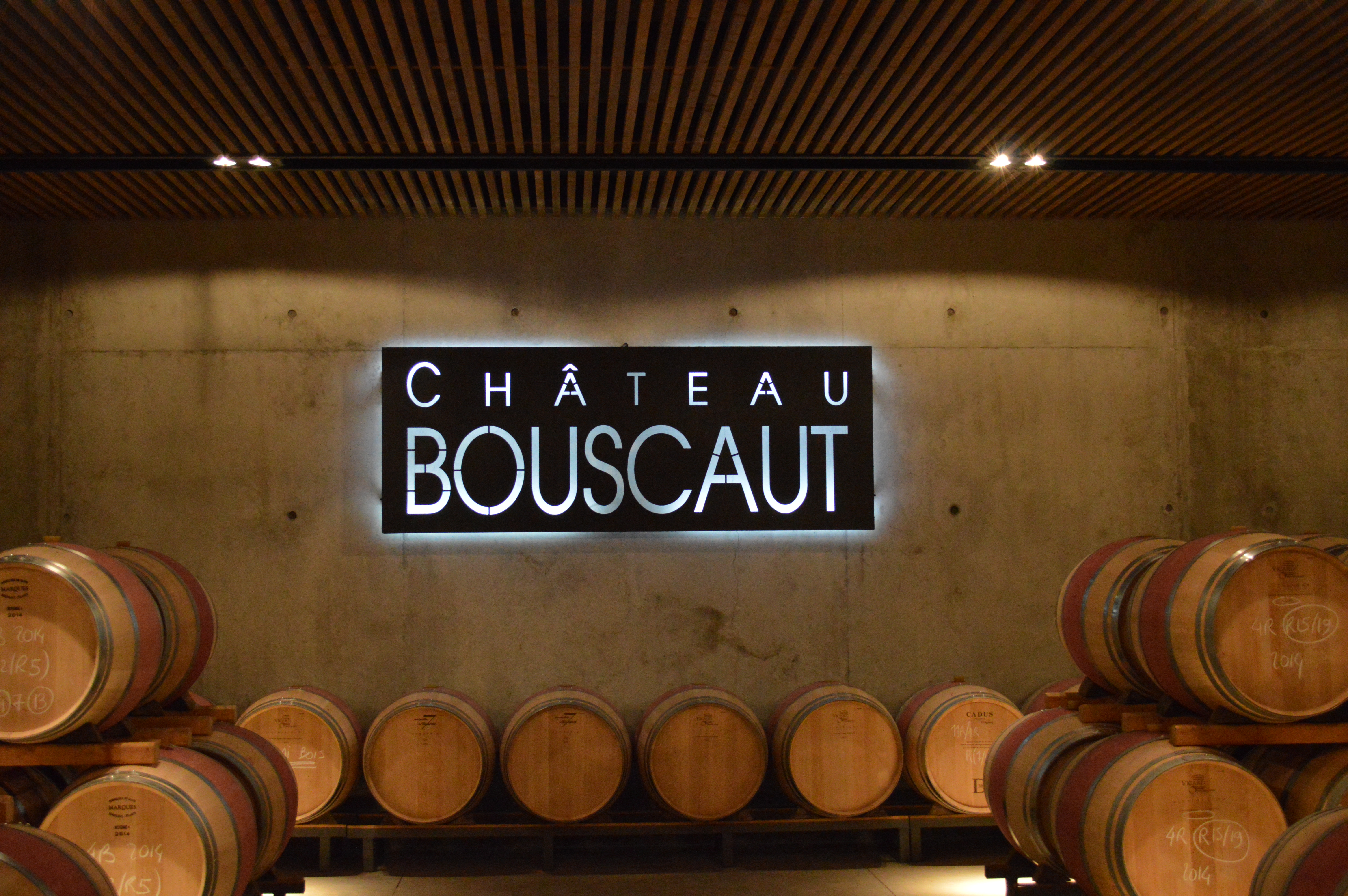
Chateau Bouscaut
So, determined to make the most of the day, I got back on the bus and off we went to our second visit of the day at Chateau Bouscaut. Thankfully this was an estate I had not yet visited. Another Grand Cru Classé de Graves, this estate also does both red and white wines. Dating to the 17th Century, today the estate is owned by the Lurton family, celebrated wine makiers in Bordeaux. The family strongly believes that the quality of the wine is an expression of the quality of the vines and the work in the vineyards.
Our tour was relatively fast and basic. Understanding that we were all wine students with an understanding of the process we skipped the fermentation lecture and the other basic technical details. Rather the tour was focused on the vineyard work and the estate’s unique selling points. However, I will say that it was relatively hard to understand the vineyard lecture as it was more of a whispered conversation.
And then we moved on to the tasting.
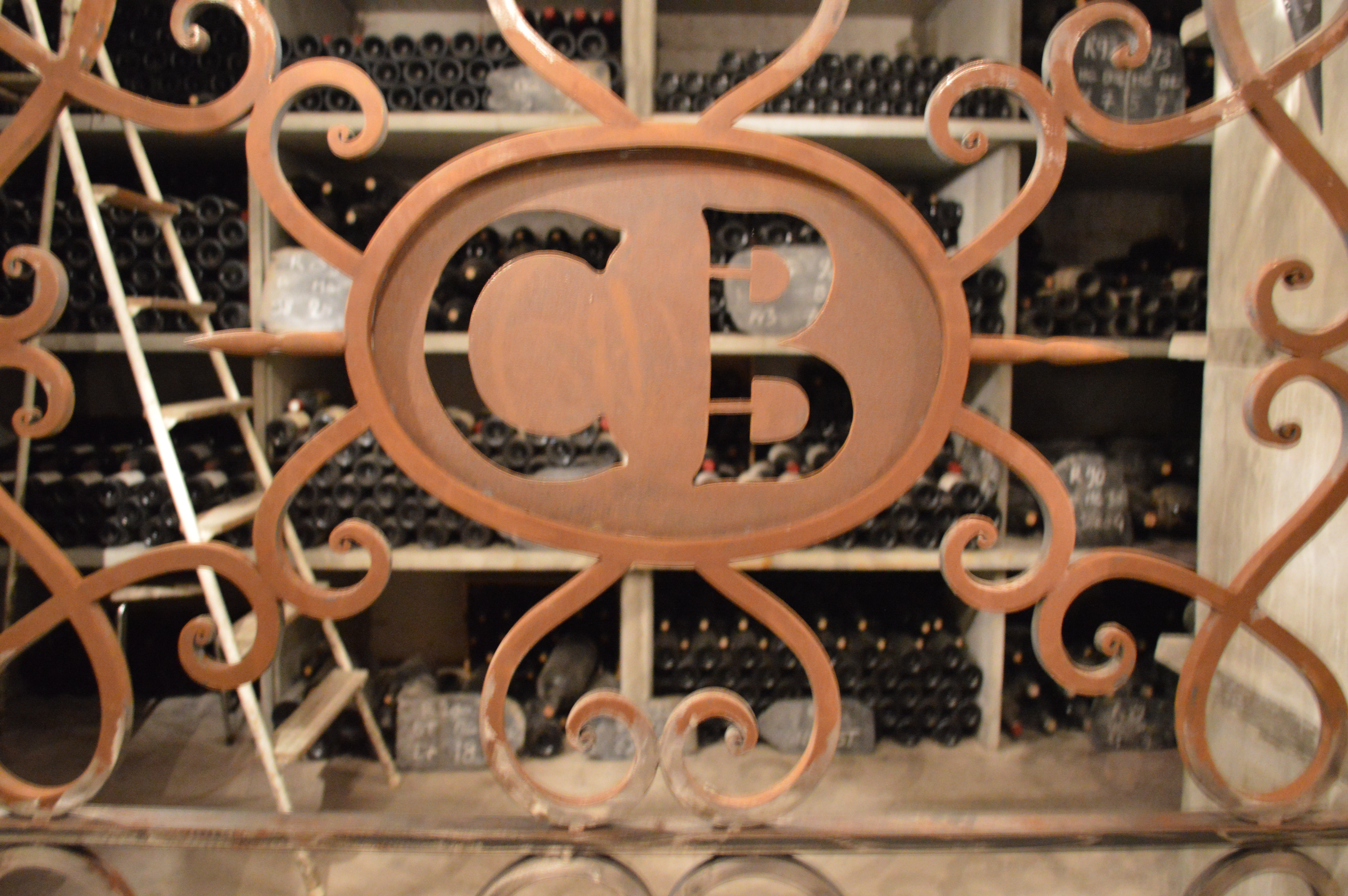
Wine Library at Bouscaut
Ch. Bouscaut White: my notes from that day were missing vintage but I will say that I wasn’t overly impressed with this wine. The nose delivered notes of vanilla and soft florals but on the palate it had too much of the traditional Sauvignon Blanc funky hawthorne note for me to greatly enjoy it.
Ch. Bouscaut 2012: This red wine was very fresh on the nose with a classic nose of red cherry underlined with a touch of wet cedar wood. But again the palate was not quite to my liking. With a discordant bitter note it was a bit sharper than I expected and lacking in seamless elegance.
I think my favorite part of the day was getting back on the bus and watching the driver administer a breathalyzer test to himself. Got to admire that the bus had a build in breathalyzer, particularly in Bordeaux where wine is a fact of life.
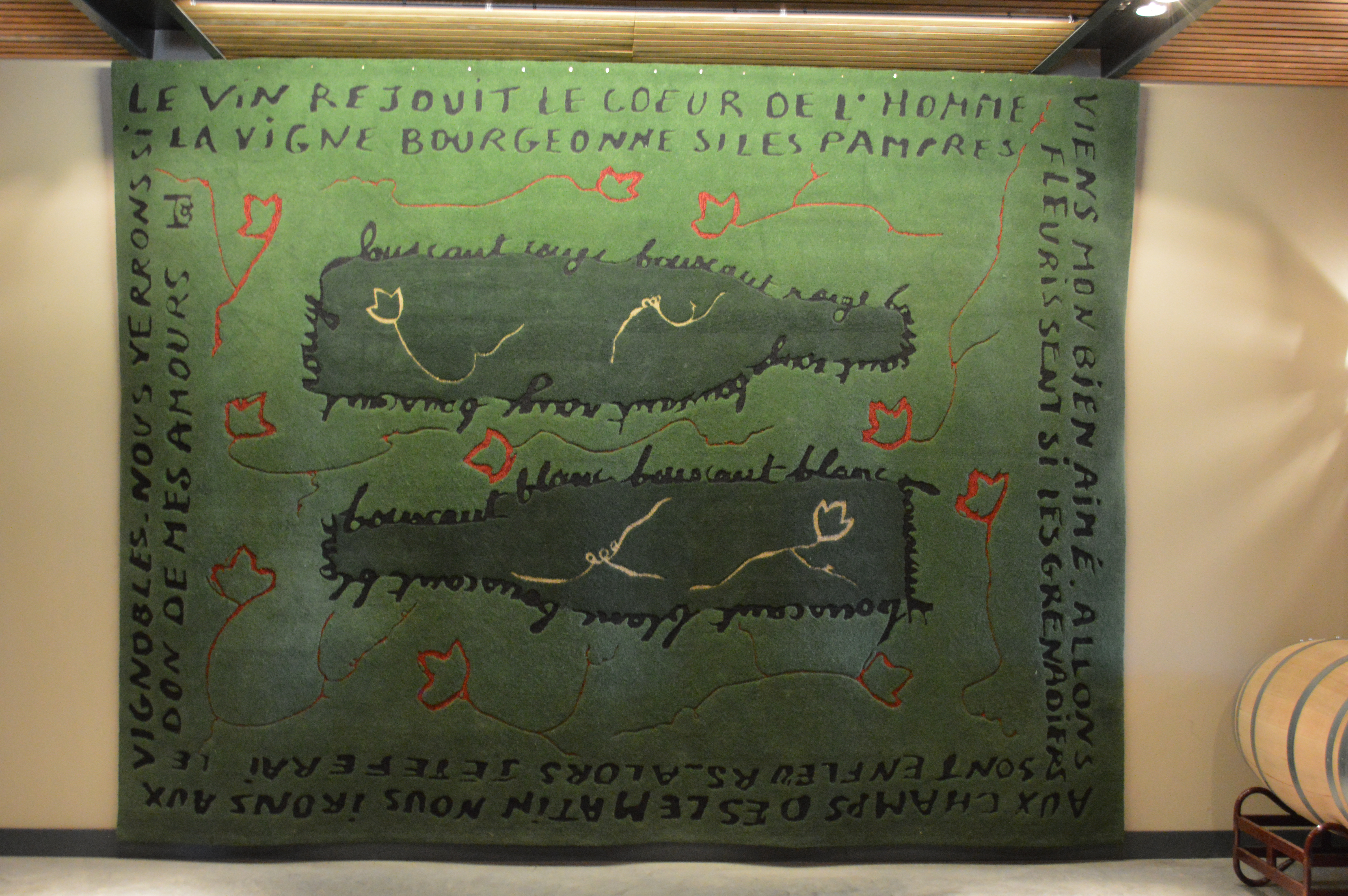
Also despite the fact that I took my camera with me, I didn’t take enough photos to warrant a page in the portfolio. (Gasp!)
 Cuvee Appeal