Day 2: The Grand Tasting

Jancis Robinson. I got to attend a Swiss Wine Tasting led by Jancis Robinson and her Wine Grapes co-author Dr. Jose Vouillamoz. Squee…. ok wine geek moment over, let’s talk about the wines of Swizterland and the tasting.

Ok, rather than talk about the nitty gritty details of wine production in Switzerland, I’m going to refer to you this post and skip ahead to the good details.

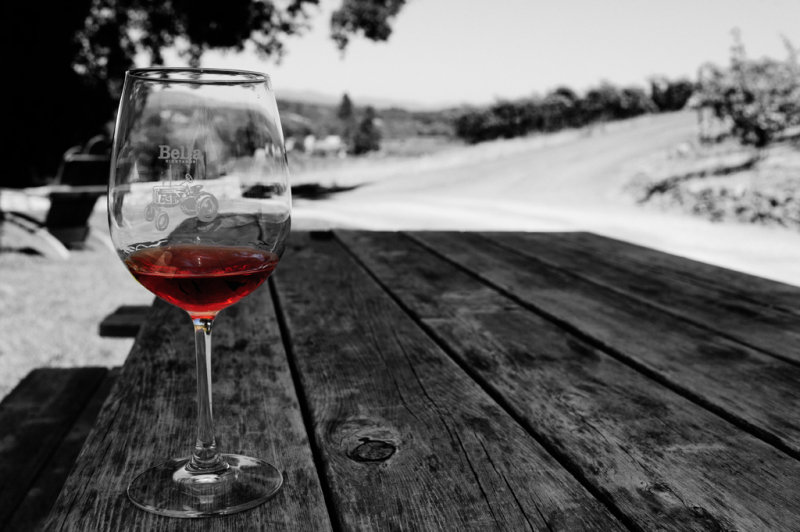
The tasting began with two flights, each containing three white wines. The first featured the Iconic Swiss White Chasselas. Constituting the majority of the total Swiss Wine production, the first mention of this grape in Swizerland dates to 1716. While also used as a table grape for eating, this intriguing varietal produces engaging white wines. What we tasted:

  • Domaine Blaise Duboux – Epsesse, Cuvée Vincent Calamin, Grand Cru 2012. From the Lavaux appellation this wine is slightly reserved on the nose but delivers a subtle almost smoky character. With sharp acidity there was a touch of honey on the palate.
  • Chateau Maison Blanche – Yvorne, Grand Crus 2010. From the Chablais appellation is wine was also reserved on the nose but was very bold on the palate. Notes of Hawthorne are underlined with a slight saltiness.
  • Domaine la Colombe-Féchy, Raymond Paccot, Le Brez 2005. Also from Lavaux, specifically Fechy, this wine was green on the nose with notes of wet wool and a hint of salinity.

The second white flight featured another indigenous Swiss grape: Arvine or Petit Arvine, as it is sometimes called. First mentioned in the historical Swiss record in 1602 this is considered an orphan variety, meaning scientists have been unable to discover its origins. A specialty of the Valais appellation, this was my favorite of the two whites. What we tasted:

  • L’Orpailleur- Uvrier, Frederic Dumoulin, 2013. Very pale in color the nose delivered hints of grapefruit like citrus and maybe a slight hint of tank taint. Beautiful acidity highlighted a smooth and lingering finish with a hint of butter.
  • Provins Valais, Maitre de  Chais 2005. With a dark lemon color this wine also had a buttery note. With slight oxidative hints it also seemed slightly off-dry. But again notes of citrusy acidity highlighted a very smooth almost oily finish.
  • Domaines Rouvinez – Sierre, Chateau Lichten 2002. A single vineyard designate this wine also delivered grapefruit notes. Thinner on the palate than the nose would suggest it was nevertheless tight with surprising acidic tartness and buttery notes.

We then moved on to the red wines. The first tasting was of the international variety Pinot Noir. According to Dr. Vouillamoz there is ‘no aging of Pinots except from Burgundy,’ and as such these were all younger vintages with a mixture of production style. What we tasted:

  • La Maison Carée – Auvernier, J.P. et Ch. Perrochet, 2010. From the Neuchatel appellation this Pinot was produced in a stainless steel vat. Surprisingly reminiscent of smoked meats, the pale robe yielded a wine that was surprisingly fruity. Notes of red fruit and a good acidic structure made the wine almost sharp on the palate.
  • Peter Wegelin – Malans, Malanser Blauburgunder, Reserva 2011. Aged in oak in the Gaubüden appellation, the nose clearly demonstrated the oak character. Light and balanced the oak carried over onto the palate but was highlighted by red fruit.
  • Cave des Champs – Miege, Claudy Clavien, La Part des Anges, Fut de Chene 2012. Other barrel aged Pinot from the Valais appellation, this wine had a bold color but was surprisingly pale on the rim. Slight smoke character yielded a wine that was smooth and highly acidic. Cherry, vanilla, and licorice or even clove notes will ensure this wine is interesting with a year or two of age.

The final red wine tasting featured another international grape variety: Merlot. Typically not a favorite, these wines were nonetheless interesting. What we tasted:

  • Kopp von der Crone Visini, Barbengo, Balin 2009. From the appellation of Tessin this wine had a bold, yet not heavy, nose with hints of oak, smoke, dried fruit. Spicy and balance on the palate the wine was very smooth without being overripe, highlighting the simplicty of the winemaking.
  • Casa Vinicola Gialdi – Mendrisio, Merlo Sassi Grossi 2010. Also from Tessi this wine was reserved on the nose. Very young this wine was almost grainy with tannins and stringent acidity.
  • Domaine Grand’Cour – Peissy, Jean-Pierre Pellegrin, 2011. From the Geneva appellation this Merlot was very deep in color. However the wine was young with ripe fruit notes and sweet spice as well as crisp acidity.

A note about tasting notes: due to the hurried nature of the tasting my notes might be slightly reflective of those provided by J.R. She was often presenting her notes just as I was receiving the wines and beginning my own tasting. I tried to keep my notes as true to my personal opinions as possible but there may be some transference.
Day 2: A Great Debate

The DWCC has provided me with a wealth of thought-provoking questions and more new blog material than I posted all summer (The majority of which was transcribed by hand in stolen moments at the conference, it will take me ages to get it all online. What can I say I may be a wine and tech nerd but somethings are still better done the old fashioned way.) But Day 2 I attended a seminar entitled ‘We Don’t Need More Women in Wine’ and it was the debate that resonated most. Maybe because I am a woman, maybe because I work in wine (an industry primarily dominated by men) and maybe purely because I don’t like gender stereotypes.

Gender marketing has always driven the adult beverage industry. Women drink sweet, fruity white wines or vodka. Men drink beer and dark spirits. Or at least that is what the industry seems to think. And in recent years there has been an even greater proliferation of blatantly obvious ‘gender specific’ beverages. But many of these products (most of which I personally think are nasty) play off stereotypes and make many people angry.

But ultimately the wine industry is falling behind the rest of the adult beverage industry in terms of market share. And I have to honestly say probably one of the worst gender marketing offenders. Clearly gender marketing is no longer working for the wine industry. Mostly thanks to us Millennials. Take me for example. Industry standards say I should be drinking sweeter white or sparkling wines. Now don’t get me wrong, I love a good glass of bubbly but I actually don’t like sweeter white wines. I prefer to drink crisp, dry whites or bold, spicy reds or even a very savory, dry rose. Or a craft beer. Or even a great Gin & Tonic. And most of my friends are the same – but given the context of my profession of choice by perspective might be a bit skewed.

Nevertheless women working in the wine industry are becoming ever more common and it is time to change the strategy. As are women collectors or amateur wine enthusiasts. And most industry professionals recognize this, but the wine industry is mired in tradition. Even the ‘young’ California wine producers are unwilling to break from traditional patterns. I’ve seen and experienced this first hand.

The challenge laid down at the DWCC: find a way to use both soft and hard consumer data to change the conversation and develop a new wine marketing strategy. I know that I am 100% willing to try. Who is with me?

The DWCC: Day 1

This post was written the night of Halloween 2014, which also happened to be the first day of the conference. Due to inconsistent wifi, a lack of upload capability and sheer fatigue I am just now posting it. 


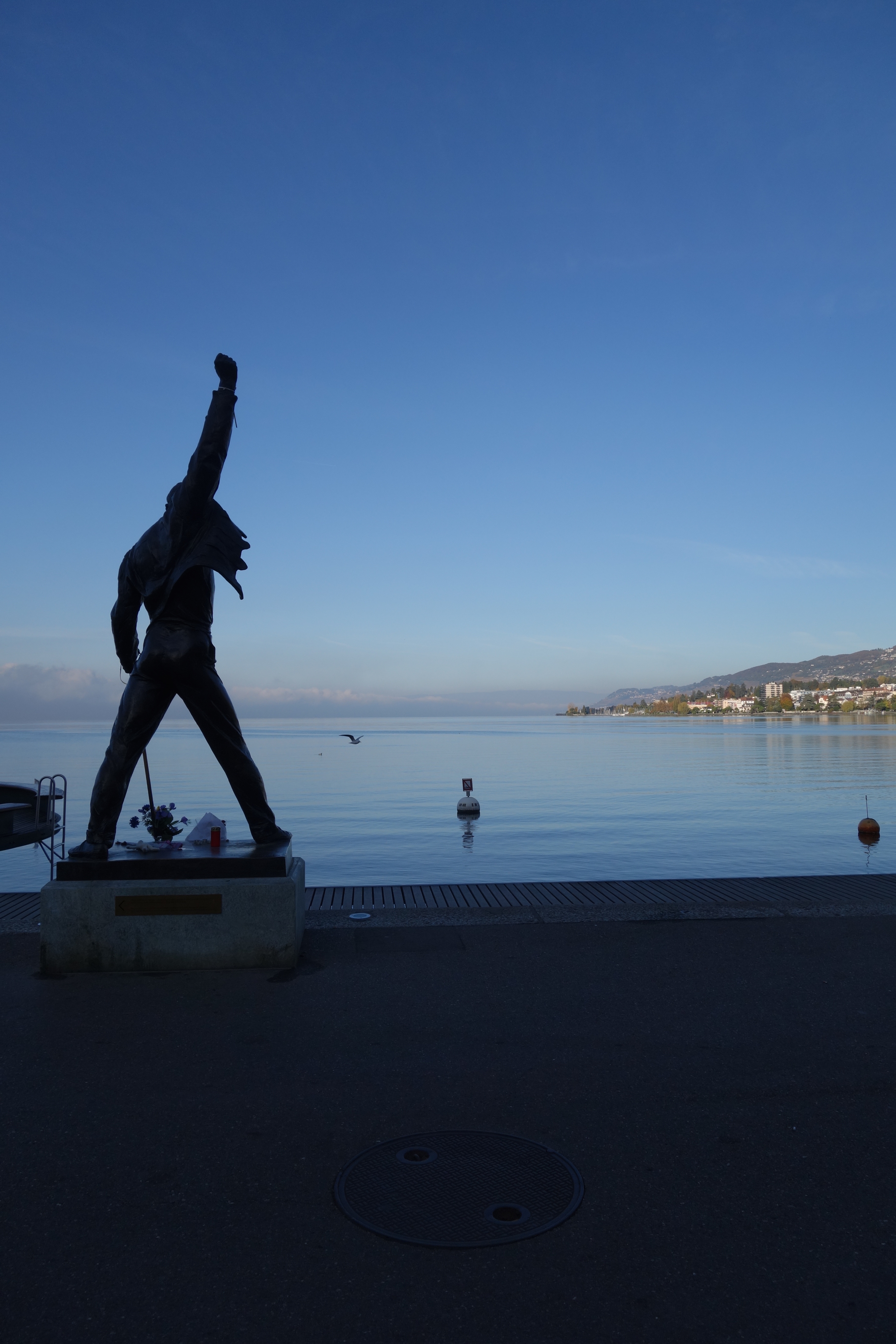
DSC00108Montreaux, Switzerland. Strategically perched at the foot of the Alps on the shores of Lake Geneva, Montreaux is considered a musical mecca. But this year it was also home to the Digital Wine Communication Conference.

It also was the home of my first conference. I have to admit I was nervous making my way to Switzerland. A new country, a new adventure and a new chance to network. But ultimately today proved to be enlightening, thought-provoking and ultimately a lot of fun. I got to spend sometime with some great classmates, drink great wine and make some great connections.

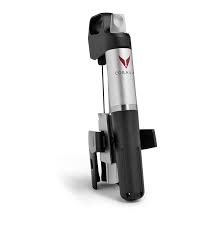
©CoravinAfter a distressingly early train ride, the day began with an interesting Keynote from Coravin founder Greg Lambrecht. With a background in medical development, Lambrecht was a wine enthusiast looking for a way to taste a bottle of wine without having to remove the cork. Despite a bottle breaking scandal, his clever invention is taking the wine world by storm. Using a fine gauge needle, the user is able to draw wine through the cork and replace the space with an inert gas. I also now officially want one to play with. But I guess I don’t have the cellar to truly enjoy it…yet.

IMG_1410Then things got a bit..interesting with a blind tasting Exploring Flavor Bias supported by Normacorc (a cork and closure manufacturer). Consisting of four flights each of which was an exploration of different factors that can affect the aromatic profile of a wine. Differing levels of oxygen exposure. Varying levels of brettanomyces or TCA (cork-taint). And various levels of residual sugar. The results of the tasting will eventually be used for a study that will be published in Meiningers Wine Business International. For my part, I learned that I need to drink more brett wines to fully understand it. And that I am not overly sensitive to TCA. I also learned that wine bloggers are VERY opinionated and maybe a bit..reactive. Although I can’t say too much or be too harsh, I fall into that group myself.

Moving forward we attended smaller breakout sessions. The first wasn’t what I originally planned on, but lady luck was apparently looking out for me. I sat in on a very interesting storytelling seminar with celebrated photojournalist, Christian Payne of Documentally. I want to be him when I grow up.

I then sat in on a great SEO seminar. I could go into more detail here but I don’t want to be too nerdy, although it may be too late for that.

Disrupt-winetalks-01The evening then finished off with the Disruptive Wine Talks. A series of short presentations, focused on one key word topic such as Men, Story or Value. These talks were given by a range of interesting and engaging business professionals: Meininger’s Editor-in-Chief, the founder of Cellar Tracker and the Director of Qoin, just to name a few. Interesting and thought-provoking perspectives all, these talks were a great look at the modern and evolving world of wine.

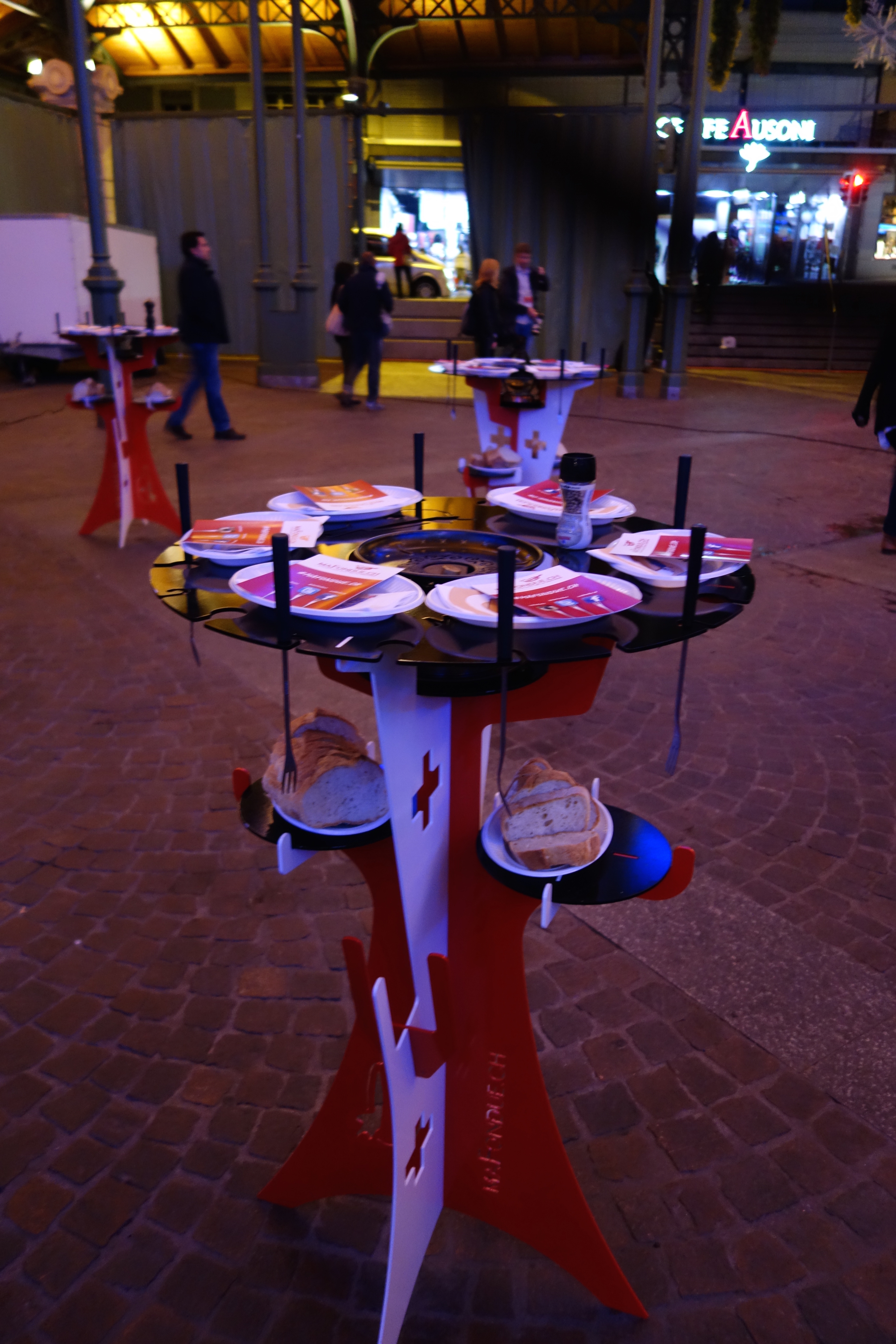
Fondue Tree

Fondue Tree

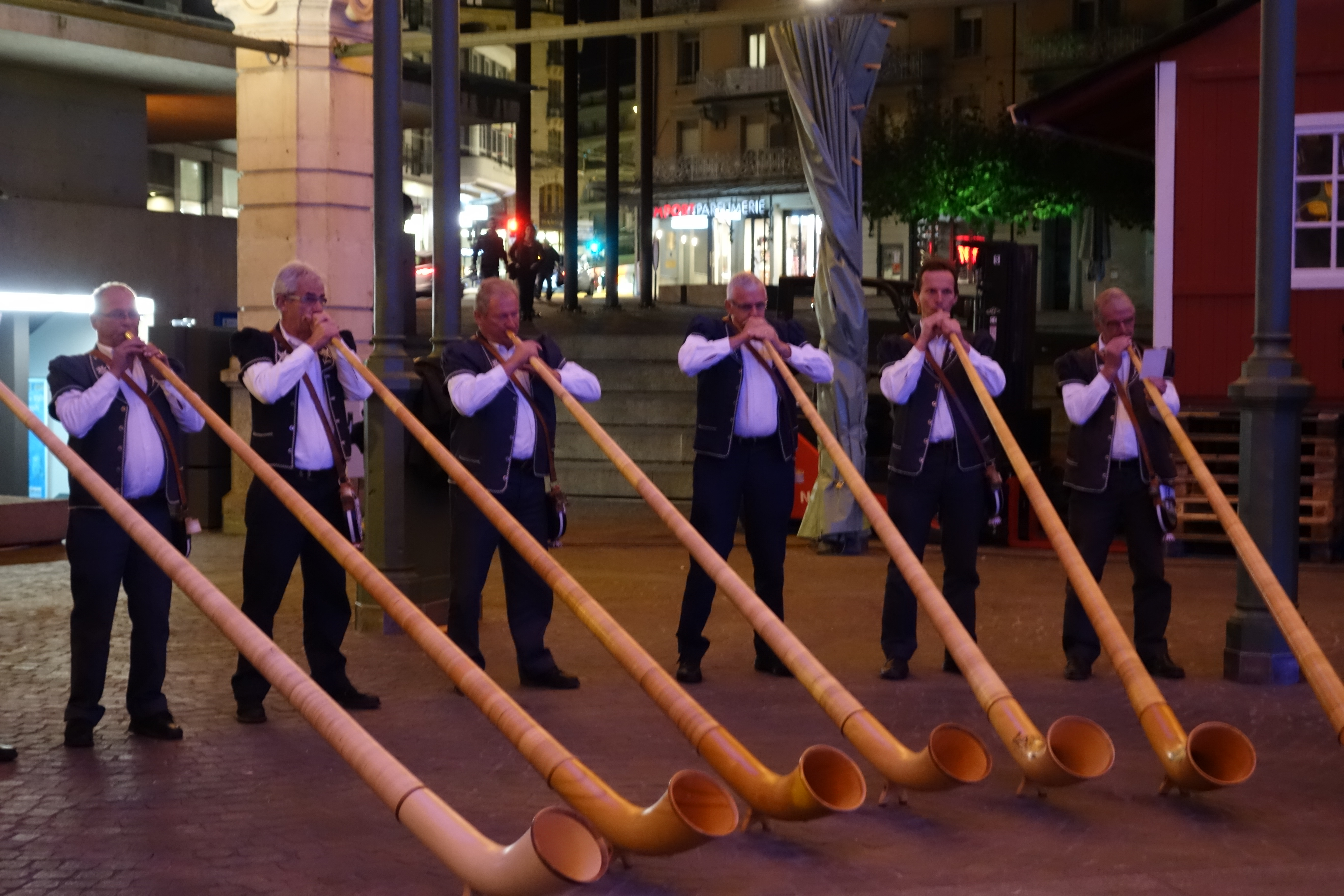
And best of all I got to indulge my palate today. My first taste of English Sparkling Wine – surprisingly good by the way. My first taste of Georgian wines – not my favorite to be perfectly honest. My first taste of Swiss wine – still working this one out in my head. And for an amazing dinner: traditional Swiss Fondue with more Swiss Wine and some traditional Swiss entertainment. My belly is full and my taste buds have been doing a happy dance, so on that note, I’m going to bed. At least I know I’ll sleep well for sure..

I’ll be writing again soon with more updates from DWCC.

DSC00079